Craft And Production
Understanding Fermented Hot Sauce: Time And Transformation
Imagine a pepper mash today and a few weeks later: elapsed time alone cannot tell us what has happened. Sugars may have been used, acids formed and the microbial community changed. The story of fermented hot sauce begins where passing days meet this transformation within the ingredient.
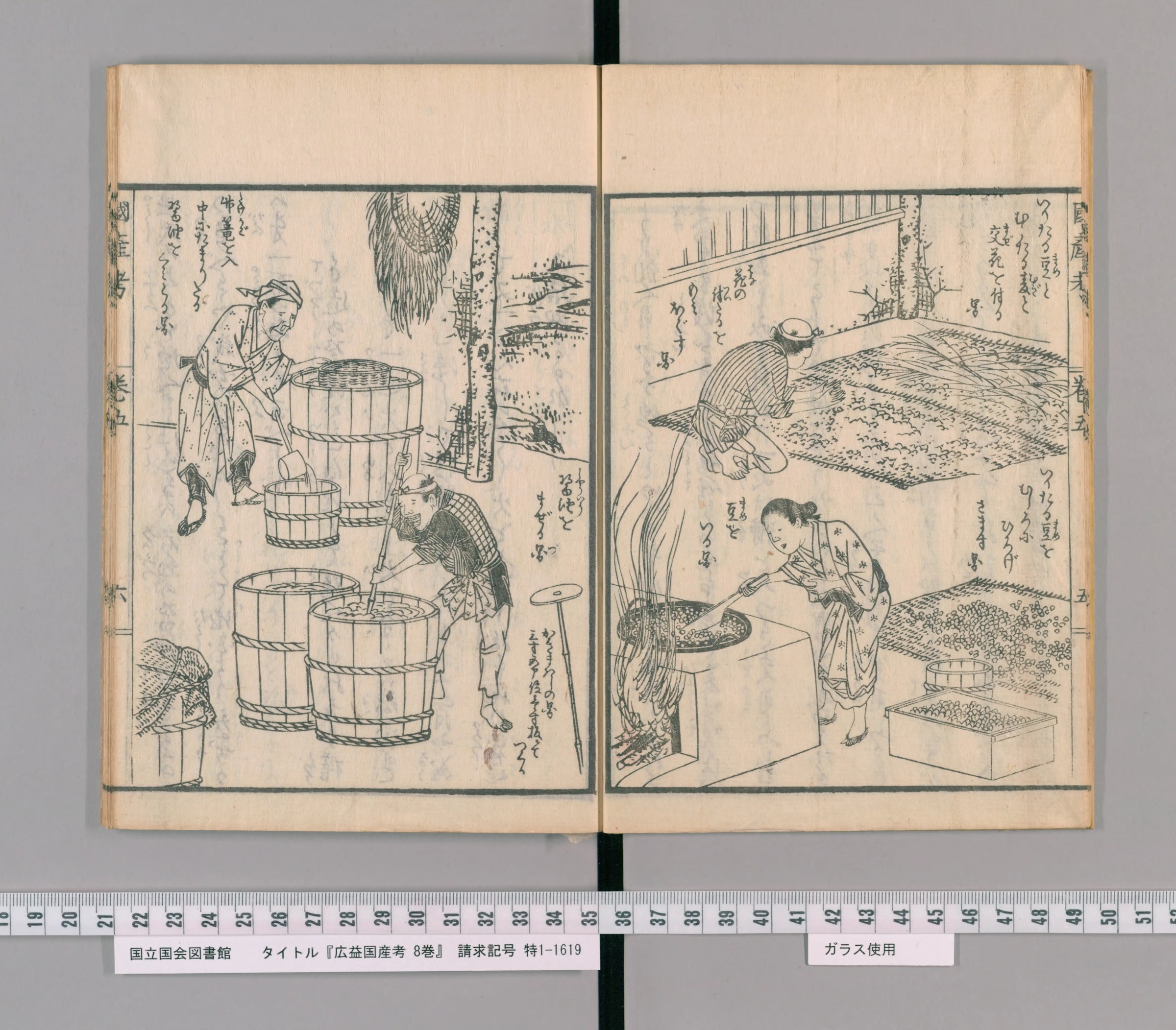
The Scientific Name For Transformation
During fermentation, microorganisms grow and their enzymes transform food components. The ISAPP expert consensus published in Nature Reviews Gastroenterology & Hepatology in 2021 places the intended nature of that growth and transformation at the centre of its definition. ISAPP’s topic page summarises the same approach.
Enzyme use alone does not meet that definition: microbial growth also participates in the process. The intended transformation underlies the distinction between fermentation and spoilage. For hot sauce, the next question is how this activity changes the pepper’s components.
Fermented Food, Live Cultures And Probiotics
Production by fermentation and the identities and amounts of organisms in the finished food are distinct information. The consensus also separates fermented food from probiotic. Probiotics are live microorganisms that confer a health benefit when administered in adequate amounts. Applying that term to a product requires appropriate live-strain identity, quantity and human evidence of benefit.
In the literature considered by the panel in 2021, randomised trials outside yoghurt and cultured dairy products were limited. The date provides the context for the evidence reviewed. A food’s fermentation history and the scope of evidence for a health benefit should be considered together.
| Product Group | Live Microorganisms |
|---|---|
| Unheated fermented vegetables | May contain live fermentation microorganisms |
| Heat-treated or pasteurized fermented vegetables | Listed among examples without live cultures in the consensus |
| Heat-treated or pasteurized vinegar and soy sauce | Listed among examples without live cultures in the consensus |
| Vegetables prepared with brine or vinegar without microbial fermentation | Not fermented under this definition |
Post-fermentation processing and storage affect whether live cultures remain in the finished product. ‘Fermented’ on a label can describe production; a specific live-culture count or health benefit requires further product-specific evidence.
Bread offers a familiar example of this distinction: the dough undergoes fermentation, then baking ends the viability of the fermentation microorganisms. The finished bread remains a food made by fermentation.
Sources For This Section
Following Changes In Pepper Mash
Following a pepper’s transformation involves several changes at once: how do microbial shares, pH and volatile compounds vary? Ingredient composition, salt and sampling day are part of that comparison. The research term “relative abundance” describes a group’s share in the community; it does not give an absolute viable-cell count.
Xu and colleagues’ 2025 study reported Lactiplantibacillus relative abundance of 28.00% on day 30 and 42.99% on day 45 in pickled peppers. On day 45, pH was 3.71 and 4.49 in pickled and salted preparations respectively. Their compositions differed: citric and acetic acids had also been added to the pickled samples. Interpreting pH therefore requires considering this initial difference together with microbial change.
Salt is another condition contributing to community change. In Tang and colleagues’ 2024 study, salt level was associated with microbial composition, with Zygosaccharomyces prominent in the high-salt group. Liao and colleagues compared salinities of 8%, 13% and 18% in 2023, reporting succession from Leuconostoc, Weissella and Lactococcus towards Lactobacillus and Pediococcus. These records show why communities should be considered with ingredients and processing conditions.
Korean gochujang is a different product and ecosystem. Ryu and colleagues’ 2021 study compared initial samples with samples after twelve months; Bacillus became prominent and pH was slightly lower at the end. Watts and colleagues followed pepper mash over eighteen months in 2018, reporting an inverse relationship between pH and acid content.
Huang and colleagues’ 2025 study compared laboratory fermentation of two pepper cultivars. Sequencing examined microbial communities and GC-MS examined volatile compounds; the authors identified a need for industrial validation. Ma and colleagues’ 2022 chopped-pepper study also considered microbial changes with volatiles. While following ingredients and microorganisms over time, these records raise the further question of how the detected volatiles’ potential contribution to aroma can be assessed.
The measured amount of a volatile compound and its potential contribution to aroma are also different kinds of information. Xu and colleagues assessed odour activity values (OAVs) by comparing compound concentrations with odour thresholds in water. This approach helps identify which substances on a chemical list warrant closer examination for their contribution to smell.
| Study | Product | Record | Finding |
|---|---|---|---|
| Xu et al., 2025 | Pickled and salted peppers | Days 30 and 45; different compositions | Lactiplantibacillus relative abundance in pickled peppers: 28.00% and 42.99%; day-45 pH in the two preparations: 3.71 and 4.49 respectively |
| Tang et al., 2024 | Pickled peppers at different salt levels | Salt and community | Zygosaccharomyces prominent at high salt |
| Liao et al., 2023 | Peppers at 8%, 13% and 18% salinity | Succession and aroma | From Leuconostoc, Weissella and Lactococcus towards Lactobacillus and Pediococcus |
| Ryu et al., 2021 | Gochujang | Initial samples and twelve months | Bacillus prominent in final samples; lower pH |
| Watts et al., 2018 | Pepper mash | Eighteen months | pH varied inversely with acidity |
| Huang et al., 2025 | Two pepper cultivars, laboratory | Sequencing and GC-MS | Industrial validation needed |
Changes between days thirty and forty-five and observations over eighteen months reveal different timescales. Communities also follow different paths when salt and starting composition change. The rhythm of fermentation emerges through that timescale and the environment in which microorganisms work.
Changing Together And Causing Change
Measuring volatile compounds and microorganisms along the same timeline allows their relationships to be investigated. Xu and colleagues reported positive associations of geraniol and β-myrcene with Lactiplantibacillus. In Liao and colleagues’ study, certain lactic acid bacteria and yeasts were associated with spicy, fruity and floral notes.
Association analysis shows how a microbial group’s share in a community and a compound’s amount vary together. Investigating a production pathway instead involves experiments isolating the microorganism, controlling conditions and measuring the result again. The approaches complement each other: one selects a connection to investigate; the other tests how it occurs.
In research, sampling dates let chemical and microbial measurements capture the same moment. Production vessels and processing order describe how the ingredient reached that point. Changes in pepper mash become clearer when we consider these two timelines together.
Harissa, Jang And Pixian Douban: Different Records
UNESCO inscribed Tunisia’s harissa on the Representative List of the Intangible Cultural Heritage of Humanity in 2022. The account brings sun-dried, deseeded and ground peppers together with salt, garlic and coriander. Harissa is identified here through ingredient selection and preparation knowledge.
Korea’s jang-making tradition joined the same list in 2024. Including red-pepper paste, the record covers fermentation, maturation and storage. It notes knowledge passing especially from mothers and mothers-in-law to daughters and daughters-in-law. Korea designated the tradition as national intangible cultural heritage in 2018.
Historical texts add another layer of record. The Academy of Korean Studies’ Somun saseol entry discusses gochujang in the context of early food texts alongside Jeungbo sallim gyeongje, dated 1766. This encyclopaedic interpretation adds old texts’ names and dates beside the current heritage record.
China listed the technique of making Pixian douban as national intangible cultural heritage in 2008. ‘Pixian Dou Ban’ also appears in the protected geographical-indication record of the EU–China agreement of 2020. Recognition of a making technique as heritage and protection of a product name provide different information about the same condiment.
| Condiment | Record | Year | Focus |
|---|---|---|---|
| Harissa, Tunisia | UNESCO Representative List | 2022 | Ingredients and preparation |
| Jang, including red-pepper paste, Korea | UNESCO Representative List; national heritage in 2018 | 2024 | Fermentation, maturation and storage |
| Pixian douban, China | National heritage; EU–China agreement in 2020 | 2008 | Traditional making technique |
Slowness, Perishability And Production Time
The Slow Food Manifesto was signed in Paris on 10 December 1989. Comparing speed to a chain, it advocates slow, lasting pleasure and takes the snail as its emblem. Time devoted to food acquires meaning here as a choice about living and eating.
Anthropologist Heather Paxson’s 2021 article examines fermented foods moving across oceans and international borders through the relationship between perishability and time, using the concept of “timescapes”. It follows how importers and retailers manage cheese-ripening time alongside transport and border delays. Transformation continues while the product travels; the time taken to move food is considered together with the pace of its own change.
The ripening, transit and waiting times followed by Paxson also offer a way to look at dates in a production record. Harvest date, processing sequence and the moment a record is made identify different times. Recording fermentation duration alongside them shows not only how many days passed, but which material was followed, at which stage and under which conditions.
Reading Transformation Through Its Conditions
Sugar use, acid formation and community change are the movements within the wait. Curiosity about the flavour in a bottle therefore takes us back to both ingredient and time. Acidity measurements reveal chemical traces of the transformation, while processing order follows the ingredient’s path through it.
Sources And Further Reading
- Marco and colleagues · ISAPP consensus statement on fermented foods, 2021
Reading area: Definition; fermented foods versus probiotics; Box 1 and Table 1.
Accessed:
- ISAPP · Fermented foods
Reading area: The scientific association’s definition of fermentation.
Accessed:
- Xu and colleagues · Characteristic microbes in pickled and salted chili peppers, npj Science of Food 2025
Reading area: Two preparation methods and compositions; days 30/45; relative taxon abundance, pH and statistical associations with compounds; odour activity values calculated using thresholds in water, Tables 1–2.
Accessed:
- Tang and colleagues · Salt concentration, quality and microbial community in pickled peppers, Food Chemistry: X 2024
Reading area: Salt shapes the community; Zygosaccharomyces at high salt.
Accessed:
- Liao and colleagues · Quality, flavour compounds and microbial communities in chili fermentation, Food Chemistry 2023
Reading area: Salinity levels of 8, 13 and 18 percent; succession and associations with aroma compounds.
Accessed:
- Watts and colleagues · Microbiological changes in pepper mash, International Journal of Food Science & Technology 2018
Reading area: 18 months; pH changing inversely with acidity.
Accessed:
- Ryu and colleagues · Physicochemical characteristics and microbial communities in gochujang, Frontiers in Microbiology 2021
Reading area: Comparison of initial and 12-month samples; Bacillus and lower pH after fermentation.
Accessed:
- Impact of pepper varieties on microbial succession and correlation with physicochemical properties and volatile compounds during pickled pepper fermentation
Reading area: Laboratory research, 2025: microbial communities, volatile analysis and method boundaries in two pepper materials.
Accessed:
- Microbial succession and its correlation with the dynamics of volatile compounds involved in fermented minced peppers
Reading area: Chopped-pepper study, 2022: sequencing, volatile-compound analysis and association models connecting microbial change with compounds.
Accessed:
- UNESCO · Harissa, knowledge, skills and culinary and social practices (Tunisia), 2022
Reading area: UNESCO Representative List, 2022: sun-dried, deseeded and ground peppers, ingredients and preparation knowledge.
Accessed:
- UNESCO · Knowledge, beliefs and practices related to jang making in the Republic of Korea, 2024
Reading area: Jang making, including red-pepper paste: fermentation, maturation, storage and transmission of knowledge between generations.
Accessed:
- Korea Heritage Service · Jang making, national and UNESCO listing
Reading area: National heritage designation in 2018.
Accessed:
- Academy of Korean Studies · Encyclopedia of Korean Culture: Somun saseol
Reading area: The Academy of Korean Studies’ encyclopaedia entry on Somun saseol: its historical interpretation of gochujang, early food texts and Jeungbo sallim gyeongje of 1766.
Accessed:
- China Intangible Cultural Heritage Centre · Traditional making technique of Pixian douban
Reading area: National list, 2008.
Accessed:
- Agreement between the EU and China on geographical indications, 2020
Reading area: Annex III: Pixian Dou Ban.
Accessed:
- Slow Food · Manifesto (Paris, 1989)
Reading area: Full manifesto: Paris signature on 10 December 1989, slowness, pleasure and the snail symbol.
Accessed:
- Heather Paxson · Protecting perishable values: timescapes of moving fermented foods, Current Anthropology 2021
Reading area: Transport, perishability and time in fermented foods; managing cheese ripening alongside transit and border delays.
Accessed: