Craft And Production
Metate And Molcajete: Stone Surfaces That Transform Ingredients
Understanding pepper in a sauce sometimes begins with the hand’s work before the mixture is finished. Grinding across a broad stone and working inside a hollow mortar hold ingredients in different ways. The names metate and molcajete make those actions concrete; decorated museum examples also reveal the tool family’s connections with ceremony, death and everyday labour.
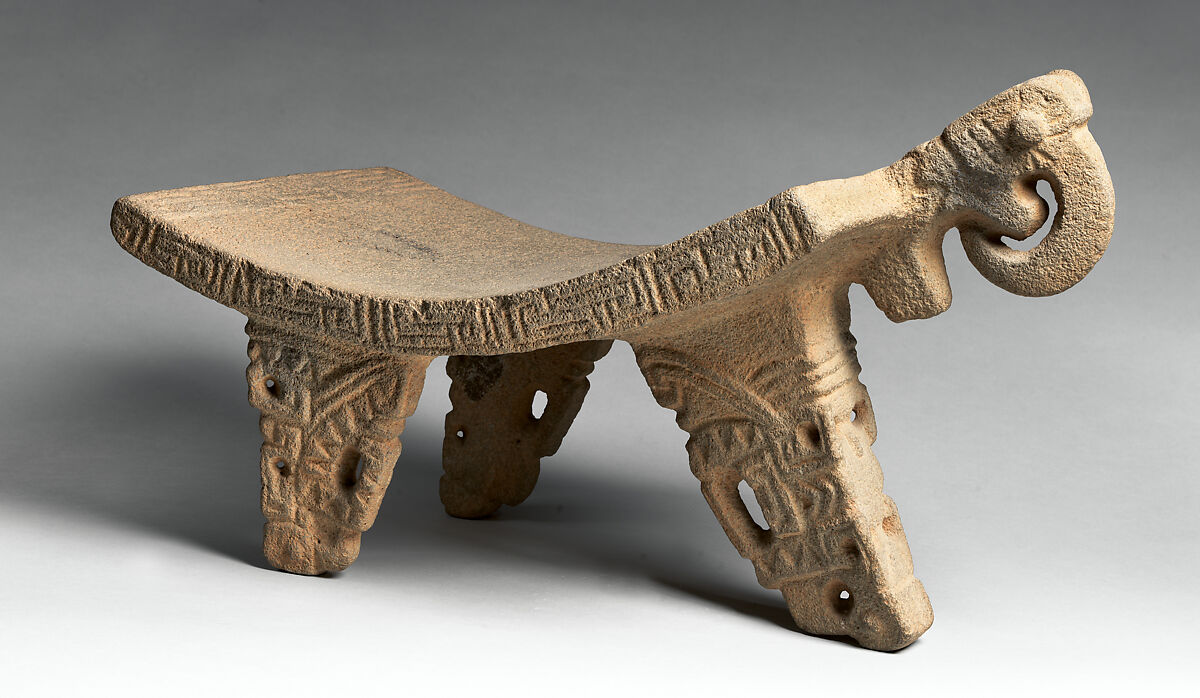
What Distinguishes A Metate From A Molcajete?
The RAE–ASALE dictionary defines metate as a stone on which maize and other grains are ground by hand with a metlapil. A molcajete is a large stone or earthenware mortar, with three short, sturdy feet, used to prepare sauces. Often mentioned together, the tools differ in form and in their accompanying handstones.
The metate’s open surface is a working area across which ingredients can spread. The molcajete’s concave body gathers them within a vessel. In sauce preparation, thinking about the surface a pepper touches and the handstone acting on it gives substance to the verb “grind”: where is the ingredient held, and which part moves? The tools’ shapes make these questions visible even in a photograph.
The Hand’s Movement Is Named With The Tool
The part that meets the hand has a name of its own. A metate’s handstone is the metlapil; the molcajete’s is the tejolote. RAE describes the tejolote as the molcajete’s “hand”. The moving part, easily overlooked when we concentrate on the sauce vessel, becomes an essential companion in this vocabulary.
RAE’s description of the metlapil as a roller-shaped stone helps us picture work across the broad surface. The tejolote belongs with the hollow mortar. These relationships describe the material arrangement of preparation beyond an ingredient list: pepper or another ingredient sits between the hand, the moving stone and the working surface.
| Name | Object Or Role |
|---|---|
| Metate | Stone surface on which ingredients are ground by hand |
| Metlapil | Handstone used with a metate |
| Molcajete | Hollow mortar used to prepare sauces |
| Tejolote | Handstone used with a molcajete |
A Historical Object From Guanacaste–Nicoya
The Metropolitan Museum of Art’s Ceremonial Metate is associated with Costa Rica’s Guanacaste–Nicoya culture. Object 1979.206.429 dates from the fourth to eighth centuries. Three supports beneath its broad working surface are carved with reliefs and openings; a bird-head motif projects beyond one end.
Following the broad upper surface down into the carved legs and openings reveals the object’s sculptural character. A bird head, interpreted by the Met as possibly a parrot, projects at one end. Here, figures surround a potential working surface, giving us a different encounter from the enclosing hollow of a kitchen mortar.
Sources For This Section
When Does A Grinding Stone Become Ceremonial?
The Met associates the decorated object with ceremony and suggests that it may have served as a throne. That possibility opens a world of meaning beyond food preparation. The upper part supported by three legs can be considered as a working surface or a seat; the museum’s interpretation leaves the latter possibility open.
The Montreal Museum of Fine Arts’ record for metate 2013.750, from Greater Nicoya, considers these questions alongside traces of wear. Made of volcanic stone, the object is dated to the Bagaces or Sapoá period, 300–1350. The museum associates the wear with grinding, possibly when preparing for special events or rituals. It also suggests that placing the tool against a wall when it was not in use could explain the decoration on its underside.
The Montreal record describes their use as funerary offerings as the most firmly supported interpretation, since many of these objects have been found in tombs. Wear points towards grinding; the tomb finds support the use of this kind of object as a funerary offering. Placement against a wall, proposed to explain the decoration underneath, remains an interpretation. The stone’s story opens as far as these traces allow.
Different Histories Within The Same Name
LACMA associates its Metate with Bird Head with Costa Rica’s Nicoya Peninsula and dates it to 300–700 CE. Made of basalt, it carries accession number M.90.168.43. Curator Julia Burtenshaw’s 2024 account highlights metates’ role in turning hard maize kernels into flour for tortillas and tamales. This tool type also ground other foods and pigments such as cochineal and indigo. Such life-sustaining transformation helps explain the metate’s symbolic importance; the ceremonial character of this decorated example is interpreted through its own form.
LACMA’s account of maize and dye preparation shows the range of materials transformed by grinding. The molcajete’s dictionary-defined role in sauce making returns us to the kitchen. Keeping the local names for these tools when considering a pepper sauce connects work to a place and a tool shape. Archaeological metates from Costa Rica and the molcajete of Mexican usage carry different histories within that wider world of stone preparation.
Another Scale For Understanding Ingredients
The visible particles in a finished sauce do not, by themselves, tell us which hand movements produced them. Looking at tools makes the question more precise: was the ingredient held on an open surface or inside a hollow, and how did the surface pair with its handstone? Grinding becomes imaginable through these objects at work.
A sauce-making molcajete and a decorated metate need not invite the same kind of attention. One directs us towards preparing ingredients; the other towards meanings that such work can carry. Gastronomic tools preserve both what the hand can do and the significance a society gives that work.
Sources And Further Reading
- RAE–ASALE · metate
Reading area: Dictionary entry identifying the metate and the role of the metlapil.
Accessed:
- RAE–ASALE · molcajete
Reading area: Dictionary entry describing a stone or fired-clay mortar used for sauces.
Accessed:
- RAE–ASALE · tejolote
Reading area: Dictionary entry naming the molcajete’s handstone.
Accessed:
- The Met · Guanacaste–Nicoya, Ceremonial Metate
Reading area: 1979.206.429; 4th–8th century; catalogue identity, three legs, bird motif, and interpretations of possible ceremonial use and seating.
Accessed:
- Montreal Museum of Fine Arts · Grinding Table (metate)
Reading area: 2013.750; Greater Nicoya, Bagaces or Sapoá period (300–1350); volcanic stone; wear, possible ceremonial use, decoration underneath and the more firmly substantiated funerary context.
Accessed:
- LACMA · Metate with Bird Head
Reading area: M.90.168.43, 300–700; basalt object record and Julia Burtenshaw’s 2024 notes: metates generally, maize flour, tortillas, tamales, cochineal and indigo; the individual object’s ceremonial interpretation.
Accessed:
- RAE–ASALE · metlapil
Reading area: Dictionary definition of the roller-shaped stone used to grind on a metate.
Accessed: