Ingredients And Craft
Pepper’s Second Language: Lactofermentation And The Transformation Of Flavour
We recognise a pepper by its colour, smell and heat. Fermentation can change the sourness, aroma and relationships among tastes in this familiar ingredient. Understanding a fermented pepper also means noticing how its starting character develops through the process.
What Is Lacto-Fermentation?
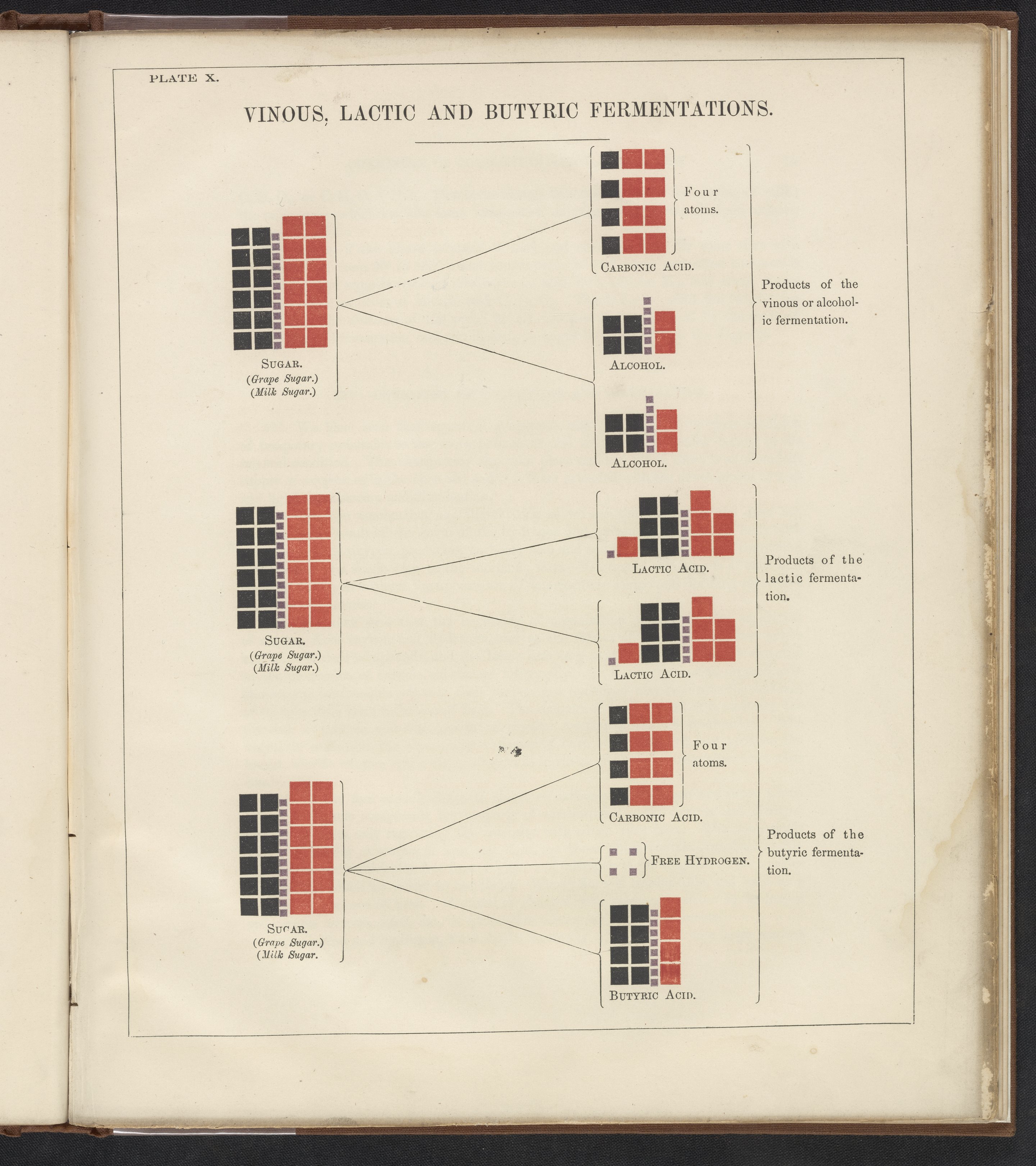
Lactic acid bacteria use sugars to produce lactic acid. Lacto-fermentation names this transformation, which can also involve plant ingredients such as peppers. The acid contributes sourness while other compounds associated with taste and aroma may change. Over time, a familiar pepper can acquire a new arrangement of flavour.
Lactic acid bacteria also use different metabolic pathways. Some produce mainly lactic acid from sugars; others form products such as ethanol, acetate and carbon dioxide alongside it. This distinction, explained by FAO, helps us understand why sourness and aroma development can be considered different aspects of the same transformation.
We can also follow this transformation through tasting: which aromas accompany sourness, how pepper heat meets them, and what sense of body the sauce gives in the mouth. Such details connect fermentation with something experienced in a mouthful.
Sources For This Section
Tracing Flavour In Research
Zhou and colleagues used the lactic acid bacterium Lactiplantibacillus plantarum MA1 in a 2026 yellow-pepper sauce experiment. Mixtures prepared with 5% salt and 10% rice wine were followed at 30 °C for 20 days. On day five, inoculated samples contained more lactic acid than spontaneous fermentation samples; some volatile esters also accumulated to higher levels.
Li and colleagues’ 2023 study compared spontaneous pepper fermentation with fermentation inoculated with Staphylococcus succinus, which is not a lactic acid bacterium. They followed aroma-active esters, terpenes and alcohols, together with free amino acids such as aspartic and glutamic acid. The inoculated fermentation produced abundant amounts of these key metabolites early in the process, while spontaneous fermentation showed a gradual increase over time.
The researchers paired metabolite measurements with expression data for genes associated with sugar use, amino-acid metabolism and aroma-compound synthesis. Gene expression is the process through which genetic information becomes functional; studying RNA produced from genes is one way to investigate it. Changes in compounds over time could thus be compared with microbial activity. The two treatments’ differing rhythms highlighted the joint importance of starting microorganisms and process conditions in flavour development.
A Second Language At The Table
At Biberify, we work with spontaneous natural fermentation. The depth that fermented pepper develops over time also shapes how we consider the sauce within a dish.
When tasting fermented pepper, give time to the aroma accompanying sourness, the sense of umami, the duration of heat and the body felt in the mouth. Within a dish, these details meet new accompaniments. Lacto-fermentation’s second language emerges in the relationships you can now distinguish within an ingredient you already knew.
Sources And Further Reading
- FAO — Fermented Fruits and Vegetables, Chapter 5
Reading area: Lactic acid bacteria converting sugars into lactic acid; a general conceptual framework for lactic acid fermentation of fruits and vegetables.
Accessed:
- Zhou and colleagues · Lactiplantibacillus plantarum in yellow capsicum sauce, 2026
Reading area: Yellow pepper, 5% salt, 10% rice wine, 30 °C, 20 days; lactic-acid/ester measurements with MA1 inoculation versus spontaneous fermentation.
Accessed:
- Li et al., 2023 — Aroma and taste compounds in pepper fermentation
Reading area: Metabolite development and gene expression in spontaneous pepper fermentation and fermentation inoculated with Staphylococcus succinus; the 2023 study’s abstract and accessible publisher record.
Accessed:
- NHGRI · Gene Expression
Reading area: The meaning of gene expression: information in a gene becoming functional through RNA and other functional products.
Accessed:
- NHGRI · RNA-seq (RNA Sequencing)
Reading area: Using RNA sequencing to investigate which genes are expressed and their expression levels.
Accessed: