History And Thought
A World Within A Bite
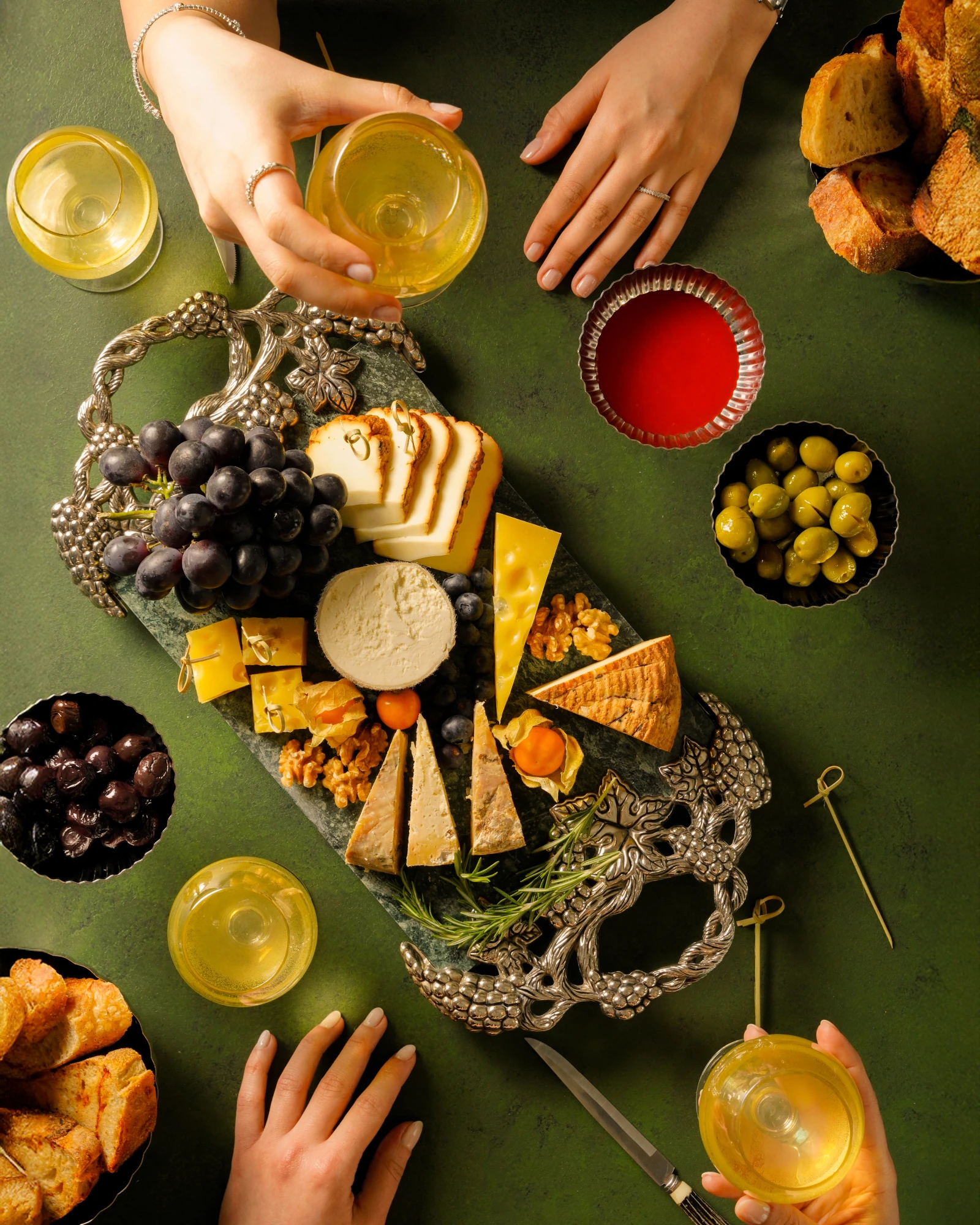
The aroma and taste of fermented hot pepper sauce, the texture of food and the setting of a meal meet the taster’s attention. We have a part in how a bite becomes an experience of its own. What do we bring to that experience?
What The Taster Brings
Before tasting a dish, we turn towards it. We look, take in its aroma and choose how to assemble the first bite. Our curiosity is part of that movement. Someone seeking the aroma of fermented pepper and someone attending to the food’s texture may linger on different details within the same mouthful.
In a bite taken with hot sauce, pepper aroma and taste, the warmth of the food and the textures of its ingredients meet. We bring our attention to that encounter: we might linger on a soup’s body, follow the crunch of toasted bread or wonder how sourness unfolds through the mouthful. These choices shape our relationship with what we taste.
The attention we give our food is open to what happens around the table. A remark may make us pause; a detail noticed by a companion may change what we seek in the next bite. Taking part in the experience means making room to receive what is before us.
The Relationship That Creates A Whole
In the third chapter of Art as Experience, John Dewey considers the connection between what we do and what we undergo in return. An experience gains its distinctive unity as its connected parts move towards fulfilment. Those parts retain their qualities; each succeeding moment carries forward meaning from what preceded it. He includes a meal in a Paris restaurant among his examples of this unity.
This thought widens our view of the table. We choose a bite and decide how much sauce to add, then respond to the tastes, aromas and textures the food offers. A quality noticed in the first mouthful may guide our approach to the next. The experience unfolds between our actions and what the food presents to us.
The hot sauce’s aroma and taste, the food’s texture, our surroundings and the curiosity directing our attention can each retain a particular place within the meal. Its unity emerges through their relationships. The distinctive quality that later lets us refer to “that meal” develops through this unfolding.
What It Means To Share A Frequency
We describe such closeness as being “on the same frequency”. It is a sense of harmony as we attend to the rhythm of the meal, our surroundings and the people beside us. The movement towards a bite, an aroma, a taste and the conversation at the table find room together within one experience.
In our own words, we express this feeling as follows: “There are moments when we find ourselves on the same frequency as our actions. A sense of peace fills the body as we enter a feeling that holds past, present and future within it. In that rare moment, we know we are part of an experience deeper than it appears.”
That experience is particular to each person. One may follow the liveliness of the pepper in the hot sauce while another lingers on the food’s soft texture. A shared meal includes the different paths opened by individual attention. Closeness at the table can extend to curiosity about the detail someone else has chosen.
We understand “raising the threshold” through this curiosity: noticing a detail in a familiar bite that we had previously passed over, and attending more closely to the relationships flavour offers. A pepper’s aroma or the brief meeting of sauce and food can be the beginning of such a discovery.
An Experience Of Its Own At Your Table
At Biberify, we prepare our fermented hot pepper sauces with their meeting with food and drink in mind. The pepper’s character, the depth fermentation brings to flavour and the importance we give to the balance we create through blending are our contributions. You bring your own food, preferences, attention and the circumstances of that moment.
A flavour’s life at the table therefore extends beyond its maker’s intention. How much sauce you add, which detail holds your attention and how you experience the mouthful all help shape the encounter. The flavour we prepare becomes part of a distinctive experience that unfolds at your table.
Sources And Further Reading
- John Dewey · Art as Experience, III: Having an Experience
Reading area: Person–environment interaction, the relation of doing and undergoing, and experiential unity preserving the qualities of its parts; the meal example.
Accessed:
- VakıfBank Kültür Yayınları · Deneyim Olarak Sanat — Turkish edition
Reading area: Publisher details identifying the Turkish title, the original Art as Experience and translator Nur Küçük.
Accessed: