Table And Design
Hot Sauce Labels: Dates, Storage And Batch Information
A label’s date, storage conditions and lot number carry different information. STT concerns safety and TETT quality attributes such as taste and aroma; after-opening instructions describe conditions once the bottle is in use. Reading these fields together keeps the date distinct from storage information.
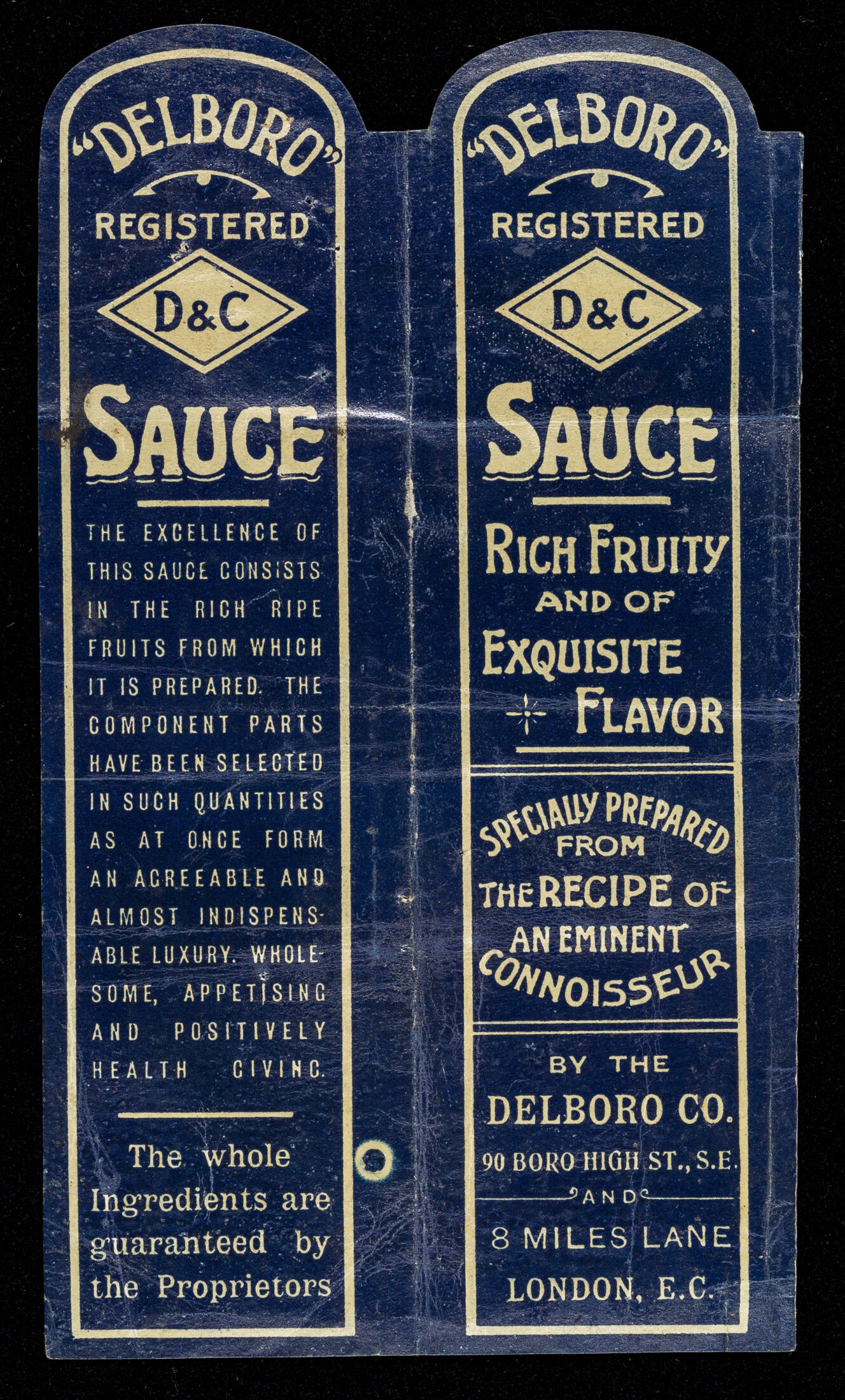
Where Is Each Piece Of Label Information?
In its statement of 4 August 2025, Türkiye’s Ministry of Agriculture and Forestry describes the food label as a fundamental channel between producer and consumer. This communication extends beyond the product name: ingredients, responsible operator, date and storage conditions identify the bottle in different ways.
The table selects the fields followed in this article from the information on prepacked-food labels.
| Field | Information Carried |
|---|---|
| Food name | Product description |
| Ingredients and allergens | Declared contents and substances that may cause allergy or intolerance |
| Special storage and use conditions | Storage or use instructions where necessary |
| Operator and address | Contact with the responsible business |
| Lot number | Identity linking the bottle to its production record |
| Date | Use-by or best-before date |
Sources For This Section
How Do STT And TETT Differ?
According to the Ministry’s statement of 3 February 2026, STT—son tüketim tarihi, or use-by date—is used for quickly perishable foods such as meat, milk and fish that can pose a health risk when spoiled. Food past its STT is considered unsafe and must not be consumed or offered for sale.
TETT—tavsiye edilen tüketim tarihi, or best-before date—concerns the period in which quality features such as taste and aroma are retained. For a product stored as instructed with its packaging intact, passing TETT does not alone establish spoilage; quality may have declined.
| Expression | What It Concerns | After The Date |
|---|---|---|
| STT, use-by date | Safety; quickly perishable foods | Considered unsafe; sale prohibited |
| TETT, best-before date | Quality features such as taste and aroma | If stored as labelled with intact packaging, quality may decline |
Finding STT or TETT tells you which kind of date you are reading. For storage after opening, move to the label’s use and storage instructions. The date and the after-opening instruction help with two different decisions about the bottle.
The date wording may be followed by the date itself or by a reference to where it appears on the label. If you see a direction such as “for the date, see …”, read the wording that identifies the type of date together with the date in the indicated place.
Keep After-Opening Information Distinct From The Date
After-opening storage instructions are a separate label field from STT or TETT. The Ministry’s required information includes special storage conditions and instructions for use where necessary. Read this field as well as the date.
If a label does not state a specific period after opening, do not derive an additional number of days or months from the printed date. A date expression does not, by itself, give an opened bottle a new use period.
| Field | How To Use It |
|---|---|
| STT or TETT | Identify the date type, then read the date or the place where it is indicated. |
| Special storage conditions | Read the stated condition separately from the date. |
| A separate period after opening is stated | Follow the period given for that bottle. |
| Only a date expression is present | Do not calculate an additional number of days or months after opening from that date. |
Reading The Bottle’s Identity
Product name, lot number and date wording form part of the bottle’s identity. The name identifies the sauce, the lot information links it to a production record and the date is read according to its stated type. Read the relevant parts of the label together rather than looking for everything in one field.
Under Communiqué 2026/11, lot information may contain letters, numbers or marks; it is preceded by P or L unless it is clearly distinguishable from other markings. A production, use-by or best-before date may also serve as the lot number when it states at least the day and month, in that order and without coding; the label must then specify which date serves as the lot number. For example, when the best-before date serves this purpose, the label states “Parti/lot numarası, tavsiye edilen tüketim tarihidir.” (“The lot number is the best-before date.”). The communiqué gives businesses until 31 December 2026 to comply, so different forms of lot identification may be encountered during the transition.
Two bottles from the same range may place date or lot information differently. Read the product name and date type together, including any explanation that a date also serves as the lot number, to identify the information on the bottle you have.
Sources For This Section
Sources And Further Reading
- Türkiye Ministry of Agriculture and Forestry · Label information
Reading area: Food-label information fields, 2025.
Accessed:
- Türkiye Ministry of Agriculture and Forestry · STT and TETT dates, 3 February 2026
Reading area: Consumer explanation dated 3 February 2026: STT and TETT date terms.
Accessed:
- Turkish Food Codex Regulation on Food Labelling and Consumer Information · Ministry copy
Reading area: Article 21 and Annex 4 on descending ingredient order by weight; Article 28 and Annex 7 on post-opening conditions where needed and date presentation. Ministry-hosted copy of the text published on 26 January 2017.
Accessed:
- Ministry of Agriculture and Forestry · Lot identification Communiqué 2026/11
Reading area: Communiqué of 11 March 2026, Article 5(2) and (6): P/L marking and qualifying dates used as lot numbers with explicit wording. Provisional Article 1 sets 31 December 2026 as the compliance deadline.
Accessed:
- Ministry of Agriculture and Forestry · Food Labelling Regulation amendment of 6 April 2024
Reading area: Full text of the 2024 amendment: amended articles and Annex 2 rows, with the 31 December 2026 compliance date. Articles 21 and 28 and Annex 7 are not amended by this text.
Accessed: