Recipes And Pairings
Hot Sauce At The Table: Pairing, Perception And Personal Choice
As a hot-sauce bottle passes around the table, the same food takes on a different measure on each plate. One person seeks pepper aroma, another its heat. Pairing begins with that personal decision; the sauce’s ingredients and texture meet the plate’s colour, the utensil in hand and the expectations formed before the first bite.
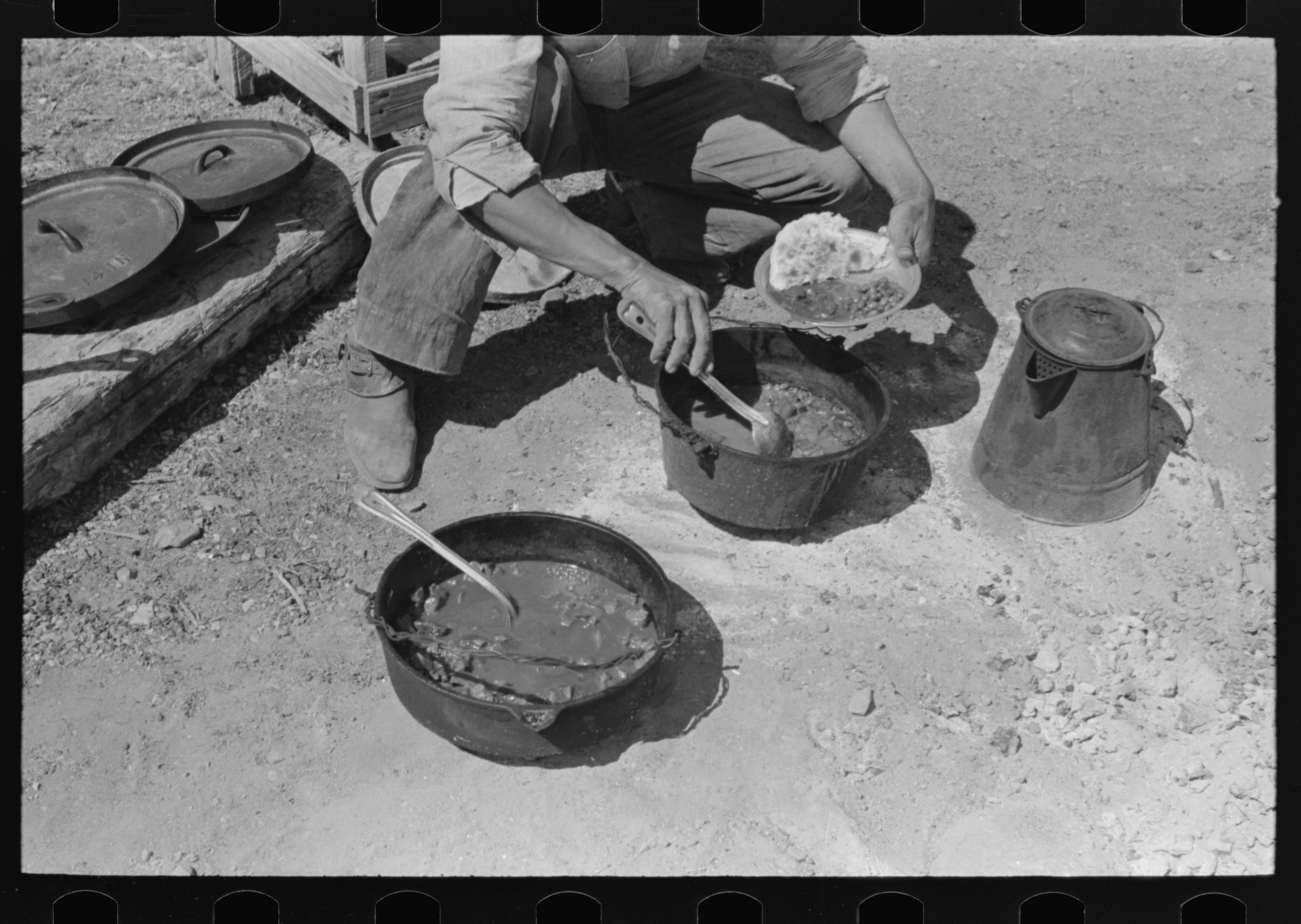
The Memory Of A Shared Meal
First consider what meets within the food: which ingredient is accompanied by the sauce’s pepper, acidity and texture? Then turn to the setting in which that combination is tasted. Research approaches these two aspects with different methods; the small decision at the table brings a particular dish and our own preference together.
UNESCO’s record of the French gastronomic meal presents shared eating as a way of marking important moments. Preparing a beautiful table is among its elements; people familiar with the tradition transmit knowledge, particularly to younger generations, orally or in writing. The table carries a learned way of gathering as well as an arrangement of food.
We can consider hot sauce’s place from this closeness. A shared dish does not require everyone to use the same amount. Making decisions about our own mouthful lets sharing and personal preference occupy the same table.
Choose one distinct detail of the meal: a vegetable’s aroma, the body of a soup or a crisp piece within a dessert. What you want the sauce to do alongside that detail offers a concrete starting point for the research on colour, sound and expectation that follows.
Sources For This Section
The Sauce’s Role And Two Meanings Of Pairing
To make a pairing idea concrete, decide when the sauce will be used and who will choose. Mixing it into preparation and serving it separately involve different decisions. The three hypothetical scenes below connect the dish’s character, bottle information and personal preference.
| Hypothetical Scene | Possible Action | What To Observe |
|---|---|---|
| Adding sauce to grilled vegetables at the table | Serve it separately; compare one bite without sauce and another with a small amount in your own portion. | How do the vegetable’s aroma, texture and heat in the mouth change? |
| Using sauce in soup | Read the bottle’s use instructions and assess it in your own portion. | Which initial tastes and aromas become more or less prominent after adding sauce? |
| Considering pepper in a chocolate dessert | Explore the pepper–cherry and chocolate proposal in Peppers in Dessert; decide whether the sauce should sit within the mixture or on top. | Where and when might the pepper’s form make it noticeable within the dessert? |
The filling, accompaniment and drink proposals in From Kitchen to Bar place the sauce in different positions. In Peppers in Dessert, Biberify Orijinal is mixed into the cherry layer of a chocolate dessert.
One meaning of pairing concerns which ingredients are used together in recipes. Ahn, Ahnert, Bagrow and Barabási’s 2011 Scientific Reports study built a network relating 381 ingredients through 1,021 flavour compounds, examining 56,498 recipes across five broad culinary groups: North American, Western European, Southern European, Latin American and East Asian.
Against randomly generated comparisons, North American and Western European recipes tended to combine ingredients sharing more flavour compounds, while East Asian and Southern European recipes favoured pairs sharing fewer. A few common ingredients strongly influenced the result: milk, butter, cocoa, vanilla, cream and egg in the North American group; beef, ginger, pork, cayenne, chicken and onion in the East Asian group.
The network measures ingredients’ tendency to appear together in recipes. It represents flavour compounds by presence and sharing; concentrations and perception thresholds also matter when examining sensory effects. Recipe records differ from tasting and liking scores.
A second meaning concerns sensory relationships around the dish. Charles Spence’s review, published online in 2018 and in a journal issue in 2019, examines colour, sound, objects and language in heat expectation and evaluation. Here, going together concerns how information from different senses meets in one experience.
Aubergine, Pear And Biberify Orijinal On Rye
In this recipe proposal, we stir Biberify Orijinal into yoghurt and spoon it over aubergine and pear. Crisp rye bread supports the soft vegetable and fruit; the sauce finds its place within a bite taken through those layers.
- For two: 1 aubergine weighing about 300 g; 120 g ripe but firm pear, cored; two thick slices of rye bread weighing 80 g in total; 80 g strained yoghurt; 10 ml olive oil; ½ teaspoon (2.5 ml) Biberify Orijinal. A teaspoon means a 5 ml measuring spoon.
- Heat a conventional oven to 200 °C. Halve the aubergine lengthways and score the flesh about 1 cm deep without cutting through the skin. Brush the cut surfaces with 5 ml oil and place cut-side down on a lined tray. Roast for about 35–45 minutes, until completely soft inside. When cool enough to handle, scoop out the flesh, drain in a sieve for 5–10 minutes and roughly mash with a fork.
- Cut the pear into slices about 1 cm thick. Put in a small baking dish with 2.5 ml oil. Add to the oven for the final 15–20 minutes of the aubergine’s cooking time. Remove when a knife slips in easily, before the slices fall apart.
- Brush the remaining 2.5 ml oil over the bread and toast until crisp. Mix half the measured amount of Biberify Orijinal into the yoghurt. Taste with a small bite of bread, aubergine and pear before deciding on the rest.
- Once the aubergine and pear are comfortably warm, divide them between the slices of bread. Spoon over the pepper yoghurt and serve straight away. If preparing ahead, promptly refrigerate the aubergine and pear separately in shallow containers; keep the yoghurt in a separate covered container. Keep these components at 4 °C or below and prepare the bread just before serving. Count preparation and serving time together: no more than two hours out of refrigeration, or one hour above 32 °C. Discard the prepared components if that limit is exceeded.
Compare a bite with pear to one containing just aubergine and yoghurt. Do the sauce’s sourness and pepper read in the same way with the fruit present? This small comparison gives you a question from your own palate to bring to the flavour-network and expectation studies.
Sources For This Section
Colour: Expected Heat And Tasted Heat
Red is often associated with warmth and heat, but expecting a red sauce to be hotter and actually rating it hotter while tasting are different outcomes. We can therefore read colour studies in two stages: expected heat before the bite and ratings given during tasting.
| Comparison And Study | Before The Bite: Expectation | Ratings During Tasting |
|---|---|---|
| Salsa colour — Shermer and Levitan, 2014. US participants; images of red and blue salsa at five saturation levels; tasting samples with different colours and heat levels. | Red salsas on screen were expected to be hotter than blue ones, and dark reds hotter than light reds. | Colour did not change heat ratings for mild salsa. Hotter salsa received lower heat ratings when it did not look red enough. |
| Plate colour — Tu, Yang and Ma, 2016. Chinese participants and spicy tofu; red, yellow, green and white plates for expectations, red and white for tasting. | Heat estimates were collected for the four plate colours. The researchers reported that expectation mediated the colour effect during tasting. | The same tofu was rated hotter on a red plate than on a white one. |
| Sauce appearance — Wang, Yang and Zheng, 2022. Seven sauce colours, colour saturation and roughness. | Red produced the highest heat expectation; greater saturation and visible roughness increased expectation. | Visual information raised heat ratings; roughness did not change ratings during tasting. |
Spence’s 2015 colour review provides a broader frame: colour meanings can change with age and culture. Rather than assuming a red plate has the same effect in every dish, asking what someone expects from that colour is more informative.
Reaching for a red sauce, we may already have estimated its heat. The first bite adds other information: how strong is the burn, how does the pepper smell, which details of the food remain distinct? What makes the colour experiments interesting is that expectation and tasting do not always move together.
Sound And Utensils: Sensation Meets Expectation
A sound establishing an expectation and that expectation carrying through to a tasting score are separate stages. Four experiments in Wang, Keller and Spence’s 2017 study tested a soundscape composed of features associated with heat using different foods. With a mild restaurant dish, the sounds increased expected heat but did not significantly change tasting scores. Scores rose with a hotter food. Comparing mild and hot salsas also showed an interaction between the sound’s effect and the food’s actual heat.
Timing and measurement also matter. In Höchenberger and Ohla’s 2019 retest, caramel’s apparent shift along sweetness and bitterness depended on the scale used; the effect did not recur consistently across scales. Bitterness here differs from chilli heat. In Wang, Spence and Knoeferle’s 2020 chocolate experiments, sound affected taste ratings before or during tasting, but not after it.
Expectations about a utensil can accompany the mouthful. In Harrar and Spence’s 2013 research, yoghurt on lightweight plastic spoons was perceived as denser and more expensive than on visually identical spoons with added weight. In a separate experiment, cheddar tasted from a knife was rated saltier than from a spoon, fork or toothpick. The authors discuss the spoon finding through the relationship between expected plastic lightness and felt weight: expectation joins the tool’s actual mass in the question.
Spence and Ngo’s 2012 review collects studies pairing round shapes with sweetness and angular shapes with bitterness and carbonation. Such matching identifies a sensory quality a shape evokes. Subsequent tasting experiments ask how that association contributes when evaluating a particular food.
Stewart and Goss’s 2013 cheesecake experiment illustrates the distinction. Forty-eight participants assessed cheesecake on black or white, round or square plates. Square plates had areas of 729 cm² and round plates 572 cm²; the authors noted that some effects could reflect this difference. The colour–shape interaction in liking lost significance when general cheesecake liking was included. Colour, shape, area and prior food preference jointly contextualise the result.
Crunch, the lightness of a spoon and fullness in the mouth meet around the same bite. Focusing only on heat when considering a sauce can leave these details behind. With a soup whose body you enjoy, your choice may involve that experience as well as the aroma the sauce contributes.
Words And Temperature: Timing And The Body In Tasting
In Lee, Frederick and Ariely’s 2006 beer experiment, information that a few drops of balsamic vinegar had been added arrived at two different times. Preference fell significantly when participants learned before tasting; it did not fall significantly when they learned after tasting but just before stating a preference. The result suggests information can influence how an experience begins as well as a later judgment.
Words describing hot sauce can be read through the same timing question. In Spence’s 2019 review, menu heat words and symbols were among the topics open to research at that time. Information before tasting can shape expectation, while chilli’s lingering burn affects the sensations carried into the next sample. The moment a word arrives and what remains from the previous mouthful belong on the same tasting timeline.
Temperature also contributes directly to capsaicin sensation. Barry G. Green’s 1986 study found that warming increased capsaicin burn and cooling reduced it. The receptor cloned from rodent sensory neurons by Caterina and colleagues in 1997—now called the TRPV1 ion channel—also responded to noxious heat. Sensory experiment and channel research explain capsaicin’s relationship with temperature at two scales.
The article on peppers and Scoville examines the language used to measure heat, what Scoville expresses and which product a number describes.
Season, Objects And Transmitted Knowledge
Japan’s agriculture ministry describes washoku through relationships with nature, local ingredients, special table objects and transmission between generations. Season, presentation and the shared moment are connected parts of this food culture. A table object gains meaning through when and within which practice it is used, as well as its colour or weight.
This cultural account and plate- or sauce-colour experiments show different scales of the table: a lived practice and expectation or rating differences under specified conditions. Recognising sauce ingredients, observing its bottle and reading dates answer other questions within the same meal. Bottle Design and the Hot Sauce Label article examine these further.
A Personal Mouthful, A Shared Meal
In §88 of Anthropology from a Pragmatic Point of View, Kant considers a good meal together with good company. AA VII, 278–281 discusses conversation sustained through trust, mutual respect and goodwill. In Simmel’s 1910 Sociology of the Meal, an act performed by individuals acquires a social form in shared eating. The beauty of a set table invites use.
| Text | Question Considered | How To Read It |
|---|---|---|
| Kant, Anthropology §88 | How can trust, mutual respect and goodwill be maintained in table conversation? | As a historical philosophical view carrying its period’s social roles. |
| Simmel, Soziologie der Mahlzeit, 1910 | How does individual eating become a shared meal, and how does table beauty invite use? | As a historical sociological and aesthetic view. |
These texts help us consider how conversation, sharing and individual choice form a meal. Passing a sauce bottle brings a common object and a personal decision about one’s own mouthful into one movement. The Philosophy of the Table follows this relationship between personal eating and the shared meal in more detail.
Bringing Research To The Table
These studies leave three distinct traces at the table: expected heat, intensity during tasting and enjoyment of the combination. A higher liking score for red packaging and a stronger burn in a bite are different outcomes. Each illuminates a different part of the decision we make at the table.
The comparison itself matters: sound experiments can produce different patterns for expectation and tasting, while actual heat interacts with sound’s effect. Read a rating difference alongside its scale and compared conditions. Lingering burn also makes sample order and time between tastings important.
An example from Türkiye shows why it matters to distinguish the measure used. In Cevat Ercik’s 2026 study, 18 semi-trained panellists evaluated the same chocolate in differently coloured packaging. The sample presented in red packaging had a higher mean overall acceptability score. This small study examines the relationship between packaging colour and liking for chocolate.
The Decision Remaining At The Table
When the bottle comes back to you, adjust the amount within your own portion. Your first expectation, the intensity you feel and your enjoyment need not coincide. Saying “I expected more heat”, “The pepper aroma came forward” or “I liked it with this texture” selects different details to carry into the next pairing.
Recognising the sauce’s character starts the comparison. Serving it separately or assessing it first in one’s own portion makes room for preference within a shared meal. Describing taste, aroma and chilli heat separately also makes the sauce’s contribution clearer. That experience becomes a reference for the next pairing decision.
Sources And Further Reading
- UNESCO · The gastronomic meal of the French
Reading area: UNESCO archive record: shared meals, the table and cultural transmission.
Accessed:
- Ahn, Ahnert, Bagrow and Barabási · Flavor network and the principles of food pairing, Scientific Reports 2011
Reading area: 381 ingredients, 1,021 compounds, 56,498 recipes; regional differences and the authors’ limits.
Accessed:
- Charles Spence · Crossmodal contributions to the perception of piquancy/spiciness, Journal of Sensory Studies 2019
Reading area: Review published online in 2018 and in the 2019 journal issue; the literature on colour, sound and language at that time.
Accessed:
- Shermer and Levitan · Red Hot: colour intensity and perceived piquancy, Multisensory Research 2014
Reading area: US sample; salsa colour, expected and rated heat.
Accessed:
- Tu, Yang and Ma · The taste of plate: plate colour and spiciness, Journal of Sensory Studies 2016
Reading area: Chinese participants and spicy tofu: expectation with four plate colours; tasting on red and white; mediation by expected spiciness.
Accessed:
- Wang, Yang and Zheng · Colour and roughness in the perception of spiciness, Journal of Sensory Studies 2022
Reading area: Seven sauce colours; saturation and roughness.
Accessed:
- Charles Spence · On the psychological impact of food colour, Flavour 2015
Reading area: Colour meanings vary with age and culture.
Accessed:
- Wang, Keller and Spence · Sounds spicy: soundscapes and piquancy ratings, 2017
Reading area: Primary research abstract in the university record: four experiments connecting soundscape, expected heat, tasting ratings and actual food pungency.
Accessed:
- Höchenberger and Ohla · Taste–sound correspondences re-tested, Journal of Neuroscience Research 2019
Reading area: Retest of sound–taste matching in caramel; shifts between sweetness and bitterness depended on the scale used.
Accessed:
- Wang, Spence and Knoeferle · Timing is everything: onset timing and crossmodal influence, JEP: HPP 2020
Reading area: In these experiments, sound affected chocolate taste ratings before or during tasting, but not afterwards.
Accessed:
- Zampini and Spence · Auditory cues and the crispness of potato chips, Journal of Sensory Studies 2004
Reading area: Effect of bite sounds on crispness and freshness ratings.
Accessed:
- Harrar and Spence · The taste of cutlery, Flavour 2013
Reading area: Weight, colour and form of cutlery in taste evaluation; yoghurt and separate cheese experiments, including expected weight of plastic utensils.
Accessed:
- Spence and Ngo · Shape symbolism of taste, flavour and texture, Flavour 2012
Reading area: Round–sweet, angular–bitter and carbonated correspondences.
Accessed:
- Plate shape and colour interact to influence taste and quality judgments
Reading area: Cheesecake experiment, 2013: 48 volunteers, black/white and round/square plates; colour–shape interaction, plate-area differences and general-liking covariate.
Accessed:
- Lee, Frederick and Ariely · Try It, You’ll Like It, Psychological Science 2006
Reading area: Beer experiment comparing disclosure of balsamic vinegar before or after tasting and its effect on preference.
Accessed:
- Barry G. Green · Sensory interactions between capsaicin and temperature in the oral cavity, Chemical Senses 1986
Reading area: Warming enhances and cooling inhibits the burn.
Accessed:
- Caterina and colleagues · The capsaicin receptor: a heat-activated ion channel, Nature 1997 — original full text
Reading area: Cloning VR1 from rodent sensory neurons and responses to capsaicin and noxious heat. Printed p. 817: HEK293 cells, Fura-2 and functional library screening. DOI: 10.1038/39807.
Accessed:
- Nobel Committee · Scientific background: receptors for temperature and touch, 2021
Reading area: TRPV1 responses to capsaicin and noxious heat; discovery context for temperature and touch receptors.
Accessed:
- Japan Ministry of Agriculture · Washoku
Reading area: Washoku culture: seasons, presentation and transmission between generations.
Accessed:
- Kant · Good meal and good company, AA VII, 278
Reading area: Original German philosophical text in an academic digital edition; a historical view of table company.
Accessed:
- Kant · Trust in table conversation, AA VII, 279
Reading area: Historical philosophical discussion of openness, trust and keeping confidences at the table.
Accessed:
- Kant · Respect and goodwill in conversation, AA VII, 281
Reading area: The historical passage on mutual respect and goodwill in table conversation.
Accessed:
- Georg Simmel · Soziologie der Mahlzeit, Der Zeitgeist / Berliner Tageblatt, 10 October 1910
Reading area: Individual eating becoming a shared meal; time, implements, the plate, table d’hôte and table beauty that invites use rather than remaining a self-contained artwork. Hans Geser’s transcription of the original 1910 German essay.
Accessed:
- Cevat Ercik · The effect of colour on sensory perception, Kent Akademisi 2026
Reading area: Original full text, methods and Tables 3 and 8; 18 semi-trained panellists evaluating the same chocolate with different packaging colours, repeated evaluations and overall acceptability.
Accessed:
- FoodSafety.gov · Four Steps to Food Safety
Reading area: Cold holding of prepared perishable food at 4 °C or below; two-hour limit out of refrigeration, one hour above 32 °C; prompt cooling in shallow containers.
Accessed: